Breast cancer screening: what the updated guidelines mean for you
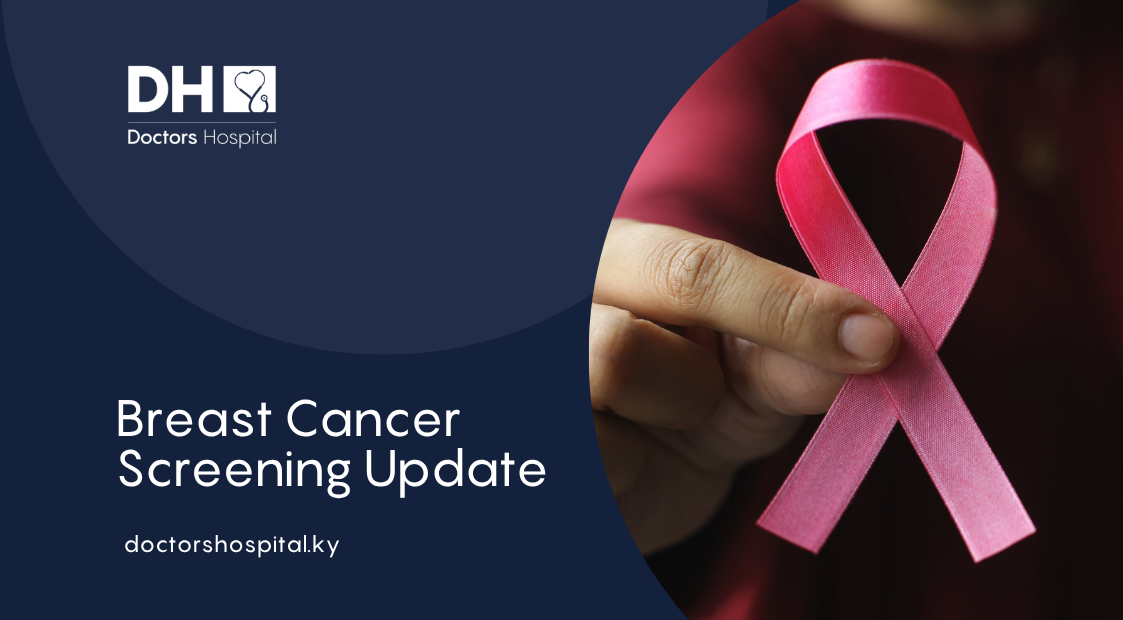
Breast cancer screening guidance has been updated, and if you are trying to work out when to start, how often to go, and which tests you actually need, you are not alone. The Cayman Islands National Cancer Policy has published a revised guidance statement in Annals of Internal Medicine, with clearer direction. Here is what has changed, what has not, and what it means for you here in Cayman.
It’s important to remember that these screening recommendations apply to women at average risk of breast cancer. If you’ve had breast cancer before, have a known high-risk genetic mutation, or have a strong family history, you may need to start screening earlier or be screened differently. Your doctor can recommend the approach that’s most appropriate for you.
Family history matters
Cayman’s screening policy also calls for a family-history assessment at age 30 and again at 39. If those assessments were missed, family history should be taken when you have your mammogram at age 40.
If you have a significant family history of breast cancer or a known genetic risk, speak with your doctor about whether you need a different screening approach.
What the updated guidance says
The Cayman Islands’ National Cancer Policy recommends breast cancer screening based on age, with mammography every two years for women aged 40 to 74.
Ages 40 to 74. Women in this age group are recommended to have a screening mammogram every two years. If breast density requires further assessment, radiology may recommend additional screening.
Outside ages 40 to 74. Speak to your GP about your individual circumstances and whether screening is appropriate for you. Your medical history and personal risk factors may affect the advice you receive.
Why the interval matters
You may have heard that screening should happen every single year. Different organisations give different advice, which is part of why this feels confusing. The ACP’s position is that every two years, for average-risk women aged 40 to 74, gives most of the benefit while reducing the harms that come from over-testing. What matters most is that you are screening on a schedule that suits your risk, and that you and your doctor agree on it.
What this means at Doctors Hospital
This is where we can offer some reassurance. Doctors Hospital has offered 3D tomosynthesis for more than 13 years. The technology that the updated guidance is now recommending in specific cases has been part of our screening service for well over a decade. Increasingly, women are asking for it by name, and we are already equipped to provide it.
That means you do not have to travel or wait for access to the imaging the new guidance highlights. If you have dense breasts, or your doctor recommends the added detail of 3D imaging, we can arrange it here.
What to do next
If you are between 40 and 74, keeping up with mammography every two years is an important part of routine breast cancer screening. If you have a significant family history of breast cancer or a known genetic risk, speak with your doctor about an individualised screening pathway.
A breast risk assessment with Dr Omar Felix can help you understand your personal risk of breast cancer and when screening may be appropriate. You may be able to have an assessment from age 25, which can help guide decisions about when to begin mammography based on your individual risk factors.
If you are unsure what screening schedule is right for you, your doctor can help you understand your risk and decide what makes sense for you.
To book a mammogram or ask about screening, contact Doctors Hospital today.