Reducing Cardiovascular Deaths: Lessons from Around the World
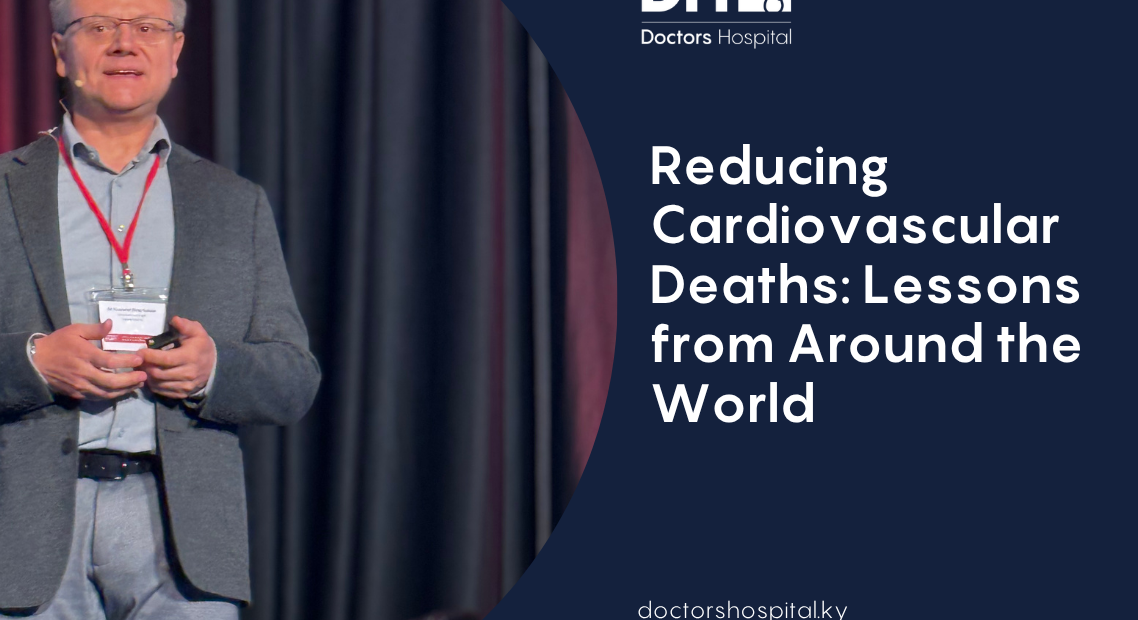
At the Cayman Islands Cardiovascular Conference, Dr. Krzysztof Kukula, Cardiologist at Doctors Hospital, shared valuable insights on one of the most pressing health challenges facing communities worldwide: preventing cardiovascular disease and reducing premature cardiovascular deaths.
A key message from Dr. Kukula’s presentation was that one of the most effective health policy interventions available today is population-wide blood pressure reduction.
“The largest health benefit from a health policy that we can achieve based on the data we have—the largest gain per dollar—is population-wide blood pressure reduction.”
High blood pressure, often called the “silent killer,” remains one of the leading contributors to heart attacks, strokes, heart failure, and kidney disease. According to Dr. Kukula, reducing sodium intake across the population is among the most impactful strategies available, alongside ongoing health education and proactive management of hypertension within primary care settings.
“We need to be much more careful and proactive about controlling blood pressure in a population on a general practice level. We have very good data that tells us what would happen if we performed certain interventions.”

Prevention Starts Before Disease Begins
Dr. Kukula emphasized that atherosclerosis—the buildup of plaque within the arteries—is the main preventable condition that leads to premature cardiovascular disease and cardiovascular death. Preventing cardiovascular disease requires action at every stage of life and health, through four levels of prevention:
Primordial Prevention: Preventing Risk Factors Before They Develop
The most important stage of prevention is primordial prevention, which focuses on preventing cardiovascular risk factors from developing in the first place.
This includes addressing:
- Tobacco use
- Unhealthy diets
- Obesity
- Physical inactivity
- Harmful alcohol use
- Air pollution
Effective interventions often involve public health policies such as smoking bans, reducing sodium in processed foods, taxation on sugary drinks, improving access to healthy foods, creating safe spaces for exercise, and promoting health education. While some measures may be challenging to implement, they have the potential to create meaningful improvements in population health.
Primary Prevention: Identifying and Managing Risk
Primary prevention targets individuals who have risk factors for cardiovascular disease but have not yet developed a cardiovascular condition.
The focus is on detecting and managing:
- High blood pressure (hypertension)
- High cholesterol (dyslipidemia)
- Diabetes
- Obesity
- Other cardiovascular risk factors
Lifestyle modifications, regular screenings, and appropriate medications can significantly reduce the likelihood of developing heart disease or stroke.
Secondary Prevention: Preventing Future Events
Secondary prevention focuses on people who already have cardiovascular disease.
The goal is to reduce the risk of recurrent heart attacks, strokes, and other cardiovascular events through:
- Medication management
- Risk factor control
- Lifestyle counselling
- Ongoing medical monitoring
These interventions help improve long-term outcomes and reduce complications.
Tertiary Prevention: Improving Quality of Life
Tertiary prevention supports individuals who have already experienced significant cardiovascular complications.
The focus is on extending life expectancy and improving quality of life through advanced treatments such as:
- Coronary angioplasty and stenting
- Coronary artery bypass surgery
- Pacemakers
- Defibrillators
- Left ventricular assist devices
While often more invasive and costly, these interventions can be life-saving and help patients maintain their independence and well-being.

Connecting with the Community
One of the highlights was our interactive Heart Health Trivia challenge, where participants tested their cardiovascular knowledge for a chance to win a prize. We were excited to connect with so many individuals who share our commitment to building a healthier Cayman.
As Dr. Kukula’s presentation demonstrated, reducing cardiovascular disease requires a collective effort—from public policy and healthcare systems to individual lifestyle choices. By focusing on prevention at every stage, we can create healthier communities and save lives.
If you would like to learn more about cardiovascular disease prevention, heart health screenings, or specialized cardiology care, Doctors Hospital offers comprehensive cardiac services led by Dr. Krzysztof Kukula and our multidisciplinary healthcare team.
Doctors Hospital is conveniently located at 16 Middle Road, George Town, Grand Cayman. We are also open 24 hours a day, 7 days a week for Urgent Care, with an Urgent Care physician always onsite to provide timely medical attention when you need it most.
Click here to learn more about Dr. Krzysztof Kukula and Cardiology services at Doctors Hospital.