Hurricane Season and Cancer Care: Preparing for the Unexpected
Written by Dr. Natalie Sharpe, Medical Oncologist
As hurricane season peaks in August and September, we’re reminded that preparing for severe weather is more than just a precaution – it’s essential, especially for individuals undergoing cancer treatment or managing blood disorders.
For our patients, natural disasters present unique challenges. Many are dealing with weakened immune systems, mobility issues, or treatment schedules that can’t be easily disrupted. In the event of power outages, evacuation orders, or pharmacy closures, even a short delay can impact health.
Here’s how we recommend our cancer and hematology patients – and their caregivers – prepare for hurricane season:
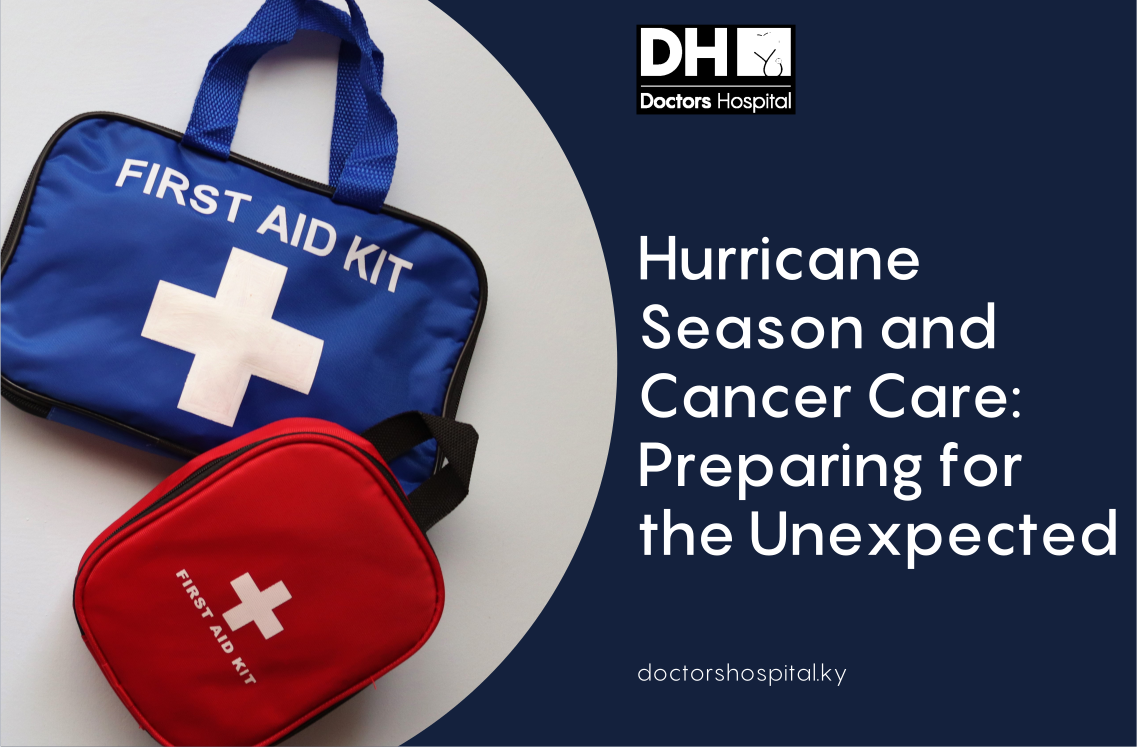
1. Build a Medical Emergency Kit
In addition to standard emergency supplies like food, water, and flashlights, create a medical go-bag that includes:
- A 2-week supply of all medications, including anti-nausea, pain relief, blood thinners, or chemotherapy pills.
- A printed list of current medications, dosages, allergies, and your diagnosis.
- Copies of insurance cards, medical records, and your oncologist’s contact information.
- Extra face masks, hand sanitizer, and gloves to reduce infection risk in crowded shelters or hospitals.
2. Know Your Treatment Plan
If you’re undergoing chemotherapy, radiation, transfusions, or lab monitoring:
- Talk with your care team now about what to do if appointments are disrupted.
- Ask if your treatment center has a backup facility or an emergency plan.
- Know where nearby hospitals or infusion centers are in case of evacuation.
3. Plan for Power Needs
Many cancer patients rely on powered medical equipment – such as infusion pumps or refrigerated medications.
- Consider a battery backup or generator, especially if you’re in a high-risk evacuation zone.
- Keep a cooler and ice packs available to preserve medication in case of power loss.
4. Communicate with Your Care Team
Before a storm:
- Let your oncologist know where you plan to be – especially if you’re evacuating.
- Make sure you know exactly how to contact your hospital or care team
- Update your patient portal information so we can reach you with updates.
After a storm:
- Make contact to reschedule any missed treatments or appointments
5. Mental Health Matters Too
Storm anxiety is real, and it’s compounded when you’re already dealing with a serious illness. Stay connected with support groups, virtual or local, and don’t hesitate to talk to our social worker or counselor if you’re feeling overwhelmed.
We’re Here to Help
Whether you’re actively in treatment or in remission, our goal is to help you stay safe, informed, and supported through any storm, literal or otherwise. If you need help preparing your hurricane plan, reach out to our clinic. We can guide you through what steps are best based on your specific condition and care needs.
Important Reminder: If you or a loved one is in a storm-affected area and experiences a medical emergency, don’t delay calling 911. Your safety always comes first.
Download Our Hurricane Preparedness Guide
As hurricane season reaches its peak, being proactive can make all the difference—especially for patients facing cancer or blood disorders. We’ve created a printable Hurricane Preparedness Guide tailored specifically for our hematology and oncology patients and their caregivers.
Download the guide below to ensure you’re ready, no matter what the weather brings.